
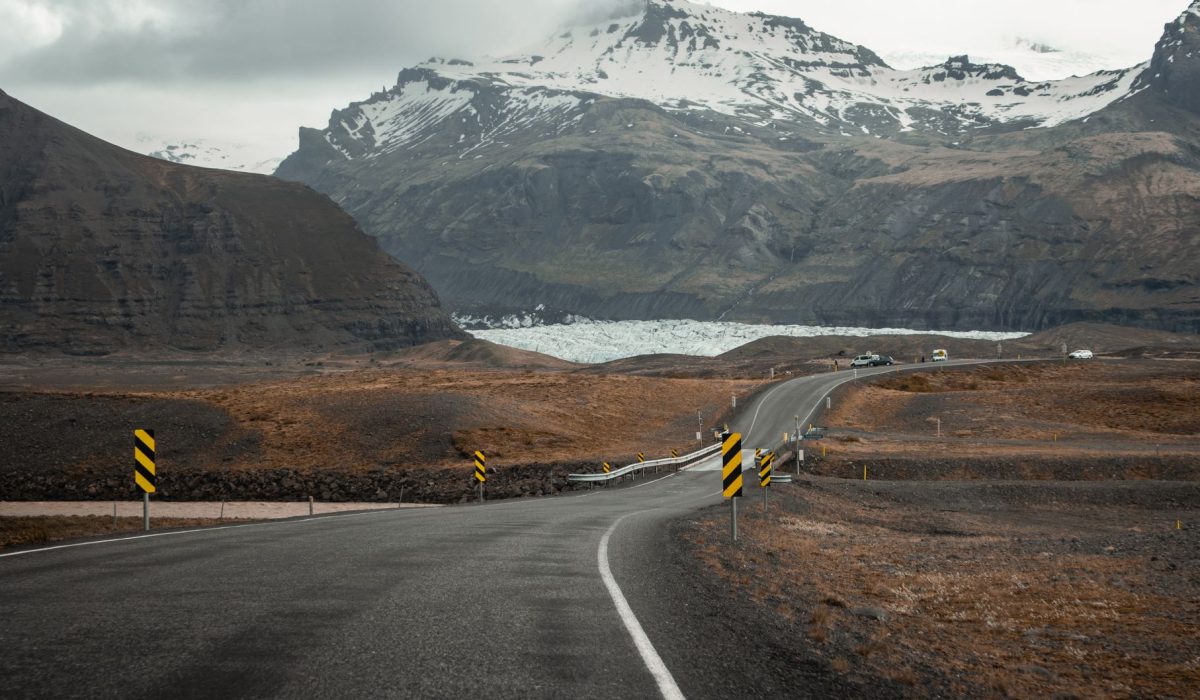
Planning an unforgettable journey becomes truly exciting when you decide to Plan A Trip To Iceland, a country known for its dramatic landscapes, waterfalls, glaciers, volcanoes, and natural hot springs. Iceland is often called the “Land of Fire and Ice” because of its unique geography, where icy glaciers meet active volcanoes. Travelers from around the world visit Iceland to experience its untouched nature, peaceful environment, and surreal beauty.
When you begin to Plan A Trip To Iceland, you are preparing for a destination that feels almost otherworldly. From the famous Northern Lights to black sand beaches and geothermal lagoons, Iceland offers experiences that cannot be found anywhere else. Whether you are a nature lover, adventure seeker, photographer, or casual traveler, Iceland promises unforgettable memories.
Why You Should Plan A Trip To Iceland
There are many reasons why travelers choose to Plan A Trip To Iceland, especially if they want a destination that combines adventure and natural beauty. Iceland is one of the safest and cleanest countries in the world, making it ideal for solo travelers, couples, and families.
One of the biggest attractions is the Northern Lights, a natural light display that lights up the sky during winter months. Another major highlight is the Midnight Sun during summer, when daylight lasts almost 24 hours, allowing extended exploration time.
Iceland is also known for its geothermal activity. Hot springs like the Blue Lagoon and natural geothermal pools offer relaxing experiences surrounded by stunning landscapes. The country’s dramatic scenery includes waterfalls, glaciers, lava fields, and volcanic mountains, creating a perfect setting for road trips and photography.
Another reason travelers Plan A Trip To Iceland is the ease of travel. The country has a well-maintained Ring Road that circles the island, making it simple to explore major attractions without complicated transportation systems.
Best Places to Visit When You Plan A Trip To Iceland
When you Plan A Trip To Iceland, choosing the right destinations ensures a memorable experience. Reykjavik, the capital city, is usually the starting point for most travelers. It offers colorful buildings, cultural attractions, museums, and a lively food scene.
The Golden Circle is one of the most popular routes, featuring iconic attractions such as Gullfoss waterfall, Geysir geothermal area, and Thingvellir National Park. This route is perfect for short trips and first-time visitors.
The South Coast is another must-visit region, known for its stunning waterfalls like Seljalandsfoss and Skogafoss, along with black sand beaches such as Reynisfjara. The dramatic scenery makes it one of the most photographed areas in Iceland.
Vatnajökull National Park is home to Europe’s largest glacier and offers incredible ice cave tours, glacier hikes, and breathtaking landscapes. This area is perfect for adventure seekers.
The Snæfellsnes Peninsula is often called “Iceland in Miniature” because it features a mix of mountains, lava fields, beaches, and fishing villages in one region. It is ideal for travelers looking to experience diverse landscapes in a single trip.
Travel Tips and Planning Essentials for Iceland
When you Plan A Trip To Iceland, preparation is important because the weather can change quickly and conditions vary by season. Packing warm and waterproof clothing is essential, even during summer months.
The best time to visit depends on your travel goals. Winter is ideal for seeing the Northern Lights, while summer offers long daylight hours and easier road conditions. Both seasons provide unique experiences.
Car rental is one of the most popular ways to explore Iceland. Many travelers prefer self-driving because it allows flexibility to stop at waterfalls, glaciers, and scenic viewpoints along the way. However, weather conditions should always be checked before driving.
Accommodation options in Iceland range from hotels and guesthouses to campsites and countryside cabins. Booking in advance is highly recommended, especially during peak travel seasons.
It is also important to understand that Iceland can be expensive compared to other destinations. Planning your budget carefully for food, accommodation, and tours helps avoid unexpected costs during your trip.
Transportation and Road Trips in Iceland
A major part of planning to Plan A Trip To Iceland involves understanding transportation. The Ring Road, also known as Route 1, circles the entire country and connects most major attractions. This road is the backbone of Iceland travel and is perfect for road trips.
Many travelers choose to rent a 4×4 vehicle, especially if visiting during winter or exploring highland areas. This ensures safety and access to remote regions.
Public transportation is available but limited outside Reykjavik, so it is not ideal for exploring rural attractions. Guided tours are another option for those who prefer not to drive.
Fuel stations can be sparse in remote areas, so it is important to plan fuel stops in advance. Weather conditions can also affect travel times, so flexibility is key when planning routes.
Driving in Iceland offers some of the most scenic experiences in the world, with views of glaciers, volcanoes, oceans, and lava fields along the way.
Food, Culture, and Local Experiences in Iceland
Experiencing local culture is an important part of any trip when you Plan A Trip To Iceland. Icelandic cuisine is simple but unique, often featuring fresh seafood, lamb, and dairy products.
Traditional dishes such as lamb soup, skyr (a yogurt-like dairy product), and fresh fish are commonly enjoyed by both locals and tourists. Reykjavik also offers a growing modern food scene with international cuisine and fine dining options.
Icelandic culture is deeply connected to nature and folklore. Stories of elves, trolls, and hidden people are part of local traditions and add a magical feel to the country’s landscapes.
Music, literature, and art are also important aspects of Icelandic culture. Reykjavik is known for its creative atmosphere and cultural festivals throughout the year.
Hot spring bathing is another essential experience. Natural geothermal pools provide relaxation while surrounded by stunning scenery, making it one of the most enjoyable activities in Iceland.
Budgeting and Cost Tips for Iceland Travel
When you Plan A Trip To Iceland, budgeting is an important factor because the country is known for being expensive. However, with careful planning, it is possible to manage costs effectively.
Accommodation is often the biggest expense, especially in popular tourist areas. Booking early and considering guesthouses or shared accommodations can help reduce costs.
Food expenses can also be high, so many travelers choose to cook their own meals when possible. Grocery stores are available in major towns and offer more affordable options.
Transportation costs depend on whether you rent a car or join guided tours. Sharing travel expenses with others can help reduce overall costs.
Many natural attractions in Iceland, such as waterfalls, beaches, and hiking trails, are free to visit. This makes it easier to enjoy the country’s beauty without spending heavily on entry fees.
Planning your itinerary carefully helps avoid unnecessary expenses and ensures a smoother travel experience.
Final Thought
When you Plan A Trip To Iceland, you are choosing one of the most breathtaking travel experiences in the world. Iceland offers a rare combination of natural beauty, adventure, and cultural richness that leaves a lasting impression on every traveler.
From the Northern Lights and glaciers to volcanic landscapes and hot springs, every moment in Iceland feels extraordinary. Careful planning, smart budgeting, and understanding the local environment will help you make the most of your journey.
Whether you are exploring the Golden Circle, driving along the Ring Road, or relaxing in geothermal waters, Iceland delivers unforgettable experiences at every turn. It is a destination that inspires awe and encourages travelers to connect deeply with nature.
FAQs
What is the best time to Plan A Trip To Iceland?
The best time to Plan A Trip To Iceland depends on your goals, with summer offering long daylight hours and winter being ideal for Northern Lights viewing.
Is Iceland expensive for tourists?
Yes, Iceland can be expensive, but careful budgeting and planning can help manage travel costs effectively.
Do I need a car when I Plan A Trip To Iceland?
Renting a car is highly recommended because it provides flexibility to explore remote attractions and scenic routes.
What are the must-see places in Iceland?
Popular destinations include Reykjavik, the Golden Circle, South Coast waterfalls, Vatnajökull National Park, and the Snæfellsnes Peninsula.
Is Iceland safe for travelers?
Yes, Iceland is considered one of the safest countries in the world for tourists.
Can I see the Northern Lights in Iceland?
Yes, the Northern Lights are visible during winter months when conditions are clear and dark.
What should I pack when I Plan A Trip To Iceland?
Warm clothing, waterproof gear, sturdy shoes, and layered outfits are essential for Iceland’s changing weather conditions.