
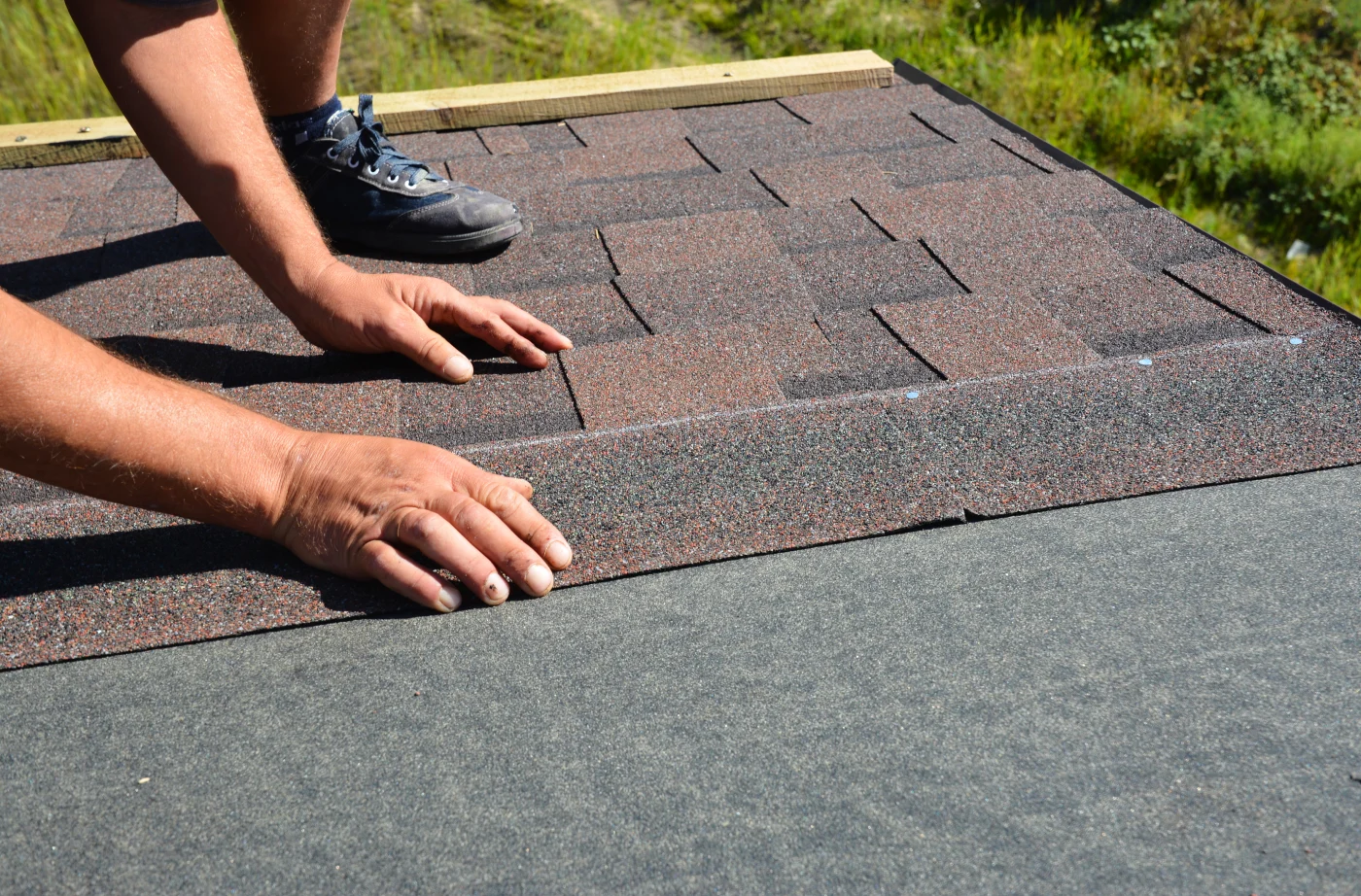
Think about your roof as a protective shield that takes a beating every single day. Over the years, that shield naturally starts to wear down from the sun and rain. If you have been looking for a reliable roof repair layton service to fix a few leaks, you might be wondering why a simple patch doesn’t always look or act like the rest of the shingles. The truth is that roofing materials are not static objects. They change physically and chemically over time, which means a brand new patch is going to behave very differently from the weathered sections surrounding it.
The Science of Shingle Aging
When a roof is first installed, the shingles are flexible and full of protective oils. These oils keep the asphalt pliable so it can expand and contract when the temperature changes. As the years go by, the sun bakes those oils out. This process is called volatilization. It leaves the older shingles brittle and stiff.
When you introduce a brand-new patch material into this environment, you are essentially combining polar opposites. You put a flexible, oily piece of material next to a dry, rigid one. During a hot afternoon, the new patch wants to stretch and move easily. The older section can’t move as much, which creates tension at the seams. This difference in physical state is why patches sometimes pull away or fail sooner than expected if they aren’t installed with precision.
Thermal Expansion and Material Stress
Temperature plays a massive role in how roofing components interact. Fortunately, modern roofing technology has improved significantly. What does this mean for homeowners? The good news is that a shingle manufactured today might have a different thermal expansion coefficient than one made fifteen years ago.
On a cold winter night, your roof shrinks slightly. On a boiling summer day, it expands. Because the older materials have lost their elasticity, they don’t “bounce back” the same way the new patch does. This creates a literal tug-of-war on your roof. The new patch is pulling on the old, fragile edges of the existing roof. If the transition isn’t handled correctly, you can end up with small cracks right at the border where the two generations of materials meet.
Granule Loss and UV Protection
If you look at an old roof, you will notice it looks thinner and maybe a bit “bald” in spots. Those tiny colored rocks on top of shingles are called granules. Their job isn’t just to look pretty. They are the primary defense against UV rays. Old shingles have usually lost a significant portion of these granules.
When you put a new patch down, it has a full coating of fresh granules. This creates a massive disparity in how heat is absorbed. The newer, darker, and more textured patch might stay cooler or shed water more efficiently than the smooth, worn-out area around it. This uneven heating across the roof surface can lead to localized “hot spots” that put even more stress on the adhesive bonds holding the patch in place.
Chemical Incompatibility Between Eras
Roofing chemistry has evolved. Decades ago, asphalt mixtures were different from what they are now. Sometimes, putting a modern polymer-modified bitumen patch directly against an old-school organic mat shingle can cause a minor chemical reaction.
While it won’t cause an explosion, the adhesives in new patches are designed to bond with modern surfaces. Trying to get a high-tech sealant to stick to a surface covered in twenty years of dust, oxidation, and decaying asphalt is a challenge. It is like trying to put a piece of tape on a dusty floor. No matter how good the tape is, it won’t hold unless the surface is prepped and the materials are compatible.
Why Color Matching is Never Perfect
Everyone wants their roof repair to be invisible, but that is almost impossible with older roofs. Even if you find the exact same brand and color code from ten years ago, the new shingles will look darker and more vibrant.
The old shingles have been bleached by the sun and scoured by the wind. This isn’t just an aesthetic problem. The difference in color means the new patch absorbs light differently. It will reach a different peak temperature during the day than the rest of the roof. This temperature gap is another reason why the bond between new and old materials is the most common point of failure in any repair job.
Final Word
Navigating the gap between aging materials and modern technology is exactly why you should trust a professional roof repair layton service to handle your home maintenance. A patch is more than just a band-aid. It is a structural integration that requires an understanding of how different generations of asphalt and felt interact under pressure. While your roof might not look brand new after a repair, a well-executed job ensures that the old and the new can live together in harmony for a few more years.